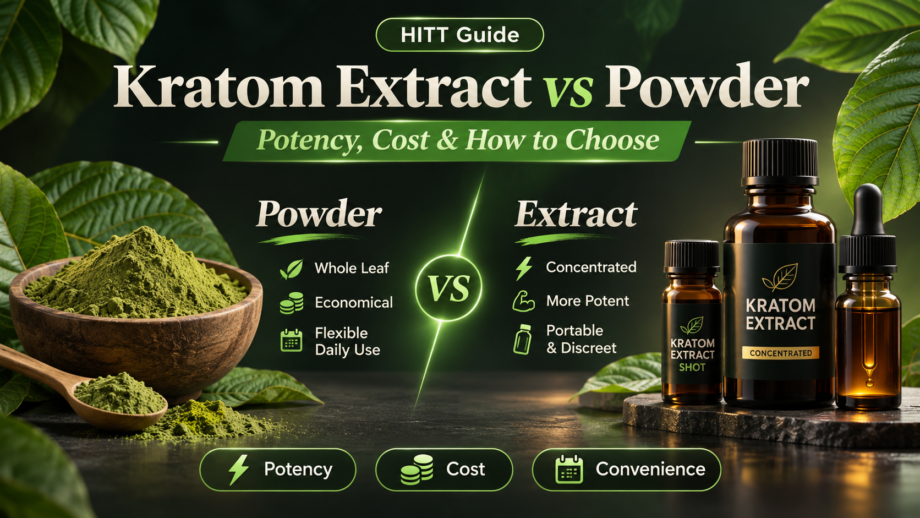
Choosing between kratom extract and powder comes down to one thing: concentration. Both are made from the same Mitragyna speciosa leaf and carry the same naturally occurring alkaloids, but powder is the whole ground leaf while extract is that leaf concentrated into a smaller, stronger serving. This guide compares kratom extract vs powder on potency, serving size, cost, taste, and how to read a label, so you can match the right format to how you actually buy and use kratom.
TL;DR: Kratom powder is whole leaf ground into a loose powder with its full alkaloid profile. Kratom extract is that same leaf processed to concentrate its alkaloids, so it is stronger by weight and sold in smaller, labeled servings. Powder wins on price, flexibility, and daily use. Extract wins on portability and pre-measured, concentrated servings. Beginners and value shoppers should start with powder; experienced buyers who want a compact, labeled serving reach for extract.
| Factor | Kratom Powder | Kratom Extract |
|---|---|---|
| What it is | Ground whole leaf | Concentrated leaf |
| Alkaloid profile | Full spectrum | Concentrated, mitragynine-forward |
| Typical serving | 2 to 5 grams | Fraction of a gram, read the label |
| Onset | 30 to 45 minutes | 10 to 20 minutes |
| Cost per serving | Lower | Higher |
| Best for | Daily use, value, beginners | Portability, experienced buyers |
Kratom Extract vs Powder: The Short Answer
Kratom extract is a concentrated form of kratom, while kratom powder is the whole leaf ground into a loose powder. Both come from the same plant, Mitragyna speciosa, and both carry the same naturally occurring alkaloids led by mitragynine. The difference is concentration. Powder keeps the full alkaloid profile of the leaf at a lower strength per gram, so servings are measured in grams. Extract removes most of the plant material and packs more alkaloid content into a much smaller amount, so servings are measured in milligrams of mitragynine on the label. That one difference, concentration, drives everything else: serving size, onset, cost per serving, taste, and which buyer each form suits.
What Is Kratom Powder?
Kratom powder is dried Mitragyna speciosa leaf milled into a fine powder, with nothing added and nothing concentrated. Because it is simply the ground leaf, it keeps the full, naturally occurring alkaloid profile, with mitragynine as the most abundant alkaloid and only a trace amount of 7-hydroxymitragynine. Powder is the starting point for most other formats: it goes into kratom capsules, gets brewed as kratom tea, or gets mixed straight into a drink. It is sold by vein color, which is a processing and leaf-maturity label rather than a strength rating. Cost per gram is the lowest of any format, often well under a dollar per gram, which is why powder is the value choice for a regular, daily routine. The trade-off is taste and prep: raw powder is bitter and earthy, and it takes a moment to measure and mix.
What Is Kratom Extract?
Kratom extract is kratom leaf or powder processed to concentrate its alkaloids into a smaller, stronger product. Producers steep raw leaf in a solvent such as water, ethanol, or a food-safe acid, filter out the plant material, and reduce what remains until the alkaloids are far denser than in raw powder. The result is sold as liquid shots, tinctures, enhanced powders, softgels, tablets, gummies, and resin. Because extraction concentrates the dominant alkaloids and leaves much of the minor profile behind, extracts rarely carry a strain name; the milligrams of mitragynine on the label matter more than the origin leaf. A full spectrum kratom extract aims to keep the leaf alkaloids in their natural ratios, while an isolated extract concentrates a single alkaloid such as mitragynine. HITT focuses on mitragynine-forward extract and does not sell concentrated or boosted 7-OH products.
Kratom Extract vs Powder: Side-by-Side Comparison
The clearest way to compare kratom extract and powder is factor by factor, because the two are not the same product in different packaging. A spoonful of powder and a small serving of extract can hold very different amounts of alkaloid, so compare them on the points below rather than by weight alone.
| Factor | Kratom Powder | Kratom Extract |
|---|---|---|
| Starting form | Dried, ground leaf | Leaf processed and concentrated |
| Alkaloid profile | Full spectrum, whole leaf | Concentrated, mitragynine-forward |
| Concentration | Lower per gram | Higher per gram |
| Typical serving | 2 to 5 grams | Fraction of a gram; read mg on label |
| Onset | 30 to 45 minutes | 10 to 20 minutes |
| Cost per gram | About $0.30 to $0.55 | Higher, priced per unit |
| Cost per serving | Lower | Higher |
| Taste | Bitter, earthy | Flavored in shots; concentrated in powders |
| Convenience | Measure and mix | Pre-measured, portable |
| Shelf life | Long when sealed, cool, dry | Varies by format, especially liquids once opened |
| Best for | Daily use, value, strain variety | Portability, occasional use, experienced buyers |
Is Kratom Extract Stronger Than Powder?
Yes, gram for gram kratom extract is stronger than kratom powder, because extraction concentrates the alkaloids into less material. Where a powder serving is a few grams of leaf, an extract can hold the same alkaloid content in a fraction of that weight. Stronger here means a higher measured concentration of mitragynine, not a different plant. That is also why extract leaves far less room for a rough guess: a half gram of a concentrated extract can carry the alkaloid content of several grams of powder, so the milligram figure on the label is the number that matters most.
How to Read a Kratom Extract Label
Read the milligrams of mitragynine per serving, not the ratio, because labels like 10x or 50x have no enforced standard. A 50:1 label is supposed to mean 50 parts of leaf were reduced to 1 part extract, but nothing forces that math to stay consistent between brands, and a 10x figure may describe the starting material rather than a verified potency multiplier. The number that actually tells you something is milligrams of mitragynine per serving, backed by a batch-specific third-party lab report. A shot labeled 150 mg mitragynine with a matching certificate of analysis tells you far more than any ratio.
| What the label shows | What it actually tells you |
|---|---|
| 10x, 25x, 50x ratio | A processing ratio, not a verified strength; compare with caution |
| Full spectrum or enhanced | A style of extract, not a strength figure |
| mg of mitragynine per serving | The real strength number to compare between products |
| Batch COA and lot number | Confirms the mg figure and screens for contaminants |
Which Is Cheaper, Extract or Powder?
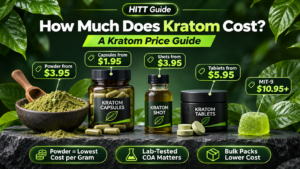
Kratom powder is cheaper per serving, while extract costs more upfront but is used in smaller amounts. Loose powder commonly runs about $0.30 to $0.55 per gram, so a daily routine measured in grams stays inexpensive. Extract is priced per unit and costs more per serving, but a single concentrated serving replaces several grams of powder, so for occasional, on-the-go use the math can even out. For anyone using kratom several times a day, powder is the better value; for a compact, pre-measured serving now and then, extract earns its higher price.
Which Should You Buy?
Buy kratom powder if you want value, flexibility, and a daily routine; buy kratom extract if you want a smaller, portable, pre-measured serving and already know your baseline. Powder lets you measure gram by gram, explore different vein colors, and keep cost per serving low, which is why most buyers start with kratom powder and stay there. Extract fits buyers who want a compact, labeled serving for travel or occasional use and are comfortable reading a milligram figure, so browse kratom extract once you know your routine. Capsules sit in the middle: kratom capsules hold plain powder in a pre-measured shell with no taste and no scale, a good option when convenience is the goal but the concentration of an extract is not needed.
Buying Lab-Tested Kratom Extract and Powder
Whichever form you choose, buy from a vendor that publishes a batch-specific certificate of analysis with mitragynine listed in milligrams. A good COA confirms the alkaloid content, ties to the lot you are buying, and screens for heavy metals and microbial contaminants. For extract especially, the lab report is what turns a vague ratio into a real strength figure. Every kratom product at HITT is third party lab tested with a COA available, labeled with its mitragynine content, and mitragynine-forward rather than concentrated 7-OH. Orders over $75 ship free.
Kratom Extract vs Powder FAQs
Is kratom extract stronger than kratom powder?
Yes, gram for gram kratom extract is stronger than powder because extraction concentrates the alkaloids into less material. Compare the milligrams of mitragynine per serving rather than the weight of the product.
What does a 10x or 50x kratom extract mean?
A 10x or 50x label is a processing ratio, not a verified strength. It often describes how much leaf went into the extract rather than a measured potency, so it is not a reliable way to compare two products. Look at the milligrams of mitragynine per serving and the certificate of analysis instead.
Which is cheaper, kratom extract or powder?
Kratom powder is cheaper per serving, commonly about $0.30 to $0.55 per gram. Extract costs more per unit but is used in smaller amounts, so for occasional use the cost per serving can be closer than it first appears.
Can you switch between kratom extract and powder?
Yes, many buyers keep both: powder for a daily routine and extract for travel or occasional use. Because extract is concentrated, read the milligram figure on the label when moving between the two so the servings stay comparable.
Is extract or powder better for beginners?
Powder is the better starting point for beginners because it is measured in grams and leaves a wider margin than a concentrated extract. Capsules are a close second for anyone who wants pre-measured powder without the taste.
How is kratom extract made?
Kratom extract is made by steeping raw leaf or powder in a solvent such as water, ethanol, or a food-safe acid, filtering out the plant material, and reducing what remains into a concentrated liquid or powder that is higher in alkaloids than raw leaf.
Does kratom extract have a longer shelf life than powder?
Dry kratom powder generally stores longest when kept sealed in a cool, dry place. Extract shelf life depends on the format, and liquid extracts in particular are best used within the window on the label once opened.
What should a kratom extract label show before you buy?
A kratom extract label should show the milligrams of mitragynine per serving, the serving size, and a batch or lot number tied to a third-party certificate of analysis. That combination lets you verify strength and screen for contaminants.
Prefer a guided start? Explore more buyer guides in the Kratom Guides hub.
Get new botanical guides and deals first
Join the HITT list. No spam, unsubscribe anytime.